Let’s start with a definition that actually means something. A product sourcing agent is a boots-on-the-ground professional who acts as your extended eyes, ears, and negotiating arm in a manufacturing region. They’re not a supplier. They’re not a factory. They’re your personal representative who navigates the chaotic, relationship-driven world of global manufacturing on your behalf.
After 12 years in this industry first as a freight forwarder, then as a sourcing director, and now as a consultant I’ve seen the full spectrum of what these professionals can do. According to industry experts at Procurement Tactics, a product sourcing agent streamlines procurement by bridging language gaps, reducing risks, and optimizing supplier relationships. Think of them as your business’s local guide who knows which streets are safe, which vendors actually stock fresh fish, and which ones are selling yesterday’s catch at premium prices.
The Difference Between Agents and Other Intermediaries
Many new importers confuse sourcing agent services with trading companies or freight forwarders. A manufacturing sourcing agent specifically focuses on finding and vetting production partners, not just shipping goods. A global sourcing agent operates across multiple countries, while a China sourcing agent specializes specifically in the world’s largest manufacturing economy.
Here’s what separates legitimate product sourcing services from the pretenders: lessons I learned the hard way while cleaning up messes for clients who trusted the wrong people:
The good agents:
- Maintain physical offices near manufacturing clusters
- Conduct unannounced factory visits (yes, they show up uninvited)
- Hold inventory in their own warehouses for quality checks
- Speak the language, literally and figuratively
- Get paid transparently for their expertise
The sketchy ones:
- Operate entirely online with virtual offices
- Get “lost” when you ask to visit factories
- Change the subject when you mention warehouses
- Receive secret commissions from suppliers (more on this nightmare later)

How to Find a Product Sourcing Agent That Actually Delivers
The million-dollar question: how to find a product sourcing agent who won’t disappear when problems arise? After vetting hundreds of agents for clients across North America, I’ve developed a systematic approach that works.
Step 1: Define Your Requirements First
Before you even start searching, get crystal clear on:
- Your product category and specific requirements
- Target price points and order volumes
- Quality standards and certifications needed
- Geographic preferences (China, Vietnam, India, Mexico, etc.)
- Budget for product sourcing services
I once had a client spend three months interviewing agents before realizing they needed someone specializing in medical-grade silicone, not general manufacturing. Don’t be that person.
Step 2: Where to Search for Product Sourcing Agents
Industry referrals (best option): Ask other business owners in your network. A recommendation from someone with firsthand experience is worth a hundred online profiles. I’ve built my entire referral network this way.
B2B platforms: Alibaba and Global Sources list product sourcing companies alongside suppliers. Look for companies with verified credentials, long histories, and genuine reviews. I recommend filtering for those with at least 5 years in business.
LinkedIn: Search for how to find a product sourcing agent and look for professionals with specific industry experience. Check their connections, endorsements, and post history. Real professionals share industry insights, not just self-promotion.
Trade shows: Events like the Canton Fair in China attract global sourcing agents who actively work the floor looking for clients. Meeting in person tells you things a website never can. I’ve found some of my best agent partners by walking the floor at these events.
Step 3: The Interview Questions That Separate Pros from Amateurs
Your potential product sourcing agent should answer these questions satisfactorily:
- “How are you compensated, and by whom?” (If they dodge this, walk away immediately.)
- “Can we visit factories together during production?” (The answer should be an enthusiastic yes.)
- “May I contact two current clients who buy similar products?” (If they hesitate, red flag.)
- “Do you conduct inspections yourselves or use third parties?” (Both can work, but beware of agents who outsource everything.)
- “What’s your quality control process? Can I see sample reports?” (Real agents have documentation.)
- “Where are you physically located relative to my product’s manufacturing cluster?” (Distance matters.)
- “What happens if a supplier fails to deliver quality product?” (They should have a clear escalation process.)
- “Will my costs decrease after the first order if I reorder the same products?” (Good agents build in volume discounts.)
The Quality Inspection Blog suggests asking about their management systems and established procedures. Most agents don’t follow any. The ones who do are keepers.
Step 4: Verification Protocol
Check business licenses. Verify physical addresses via Google Maps (street view is your friend). Contact references. Run background checks where possible. If an agent hesitates to provide verification, consider that your answer.
I once had a client ignore this step with a “sourcing agent” who turned out to be a freelance translator working from a coffee shop. The client lost $47,000 on a deposit. Don’t let that be you.
What Does a Product Sourcing Agent Do for US Companies?
Now that you know how to find a product sourcing agent, let’s explore exactly what they do once you hire one.
Supplier Identification and Verification
This isn’t just Googling “manufacturers in Guangdong” and sending form emails. A professional product sourcing agent maintains relationships with vetted suppliers across multiple industries. They know which factories specialize in what, which ones have capacity, and which ones are currently struggling with quality issues.
The China2West blog breaks down the full spectrum of sourcing agent services. Based on my experience, they should provide:
- Detailed supplier profiles, including production capacity
- Verification of business licenses and certifications
- References from other Western clients
- Assessment of financial stability
Price Negotiation and Contract Management
Your sourcing agent for USA companies should be a pit bull with a spreadsheet. They negotiate not just unit prices, but payment terms, delivery schedules, intellectual property protections, and after-sales service agreements.
According to Inductus Global, companies that refine their sourcing strategy with professional agents experience improved operational effectiveness by up to 15 percent and boost profit margins by 20 percent. Those aren’t rounding errors; that’s the difference between survival and growth.
Production Follow-Up and Quality Control
This is where the magic happens. Your product sourcing agent should:
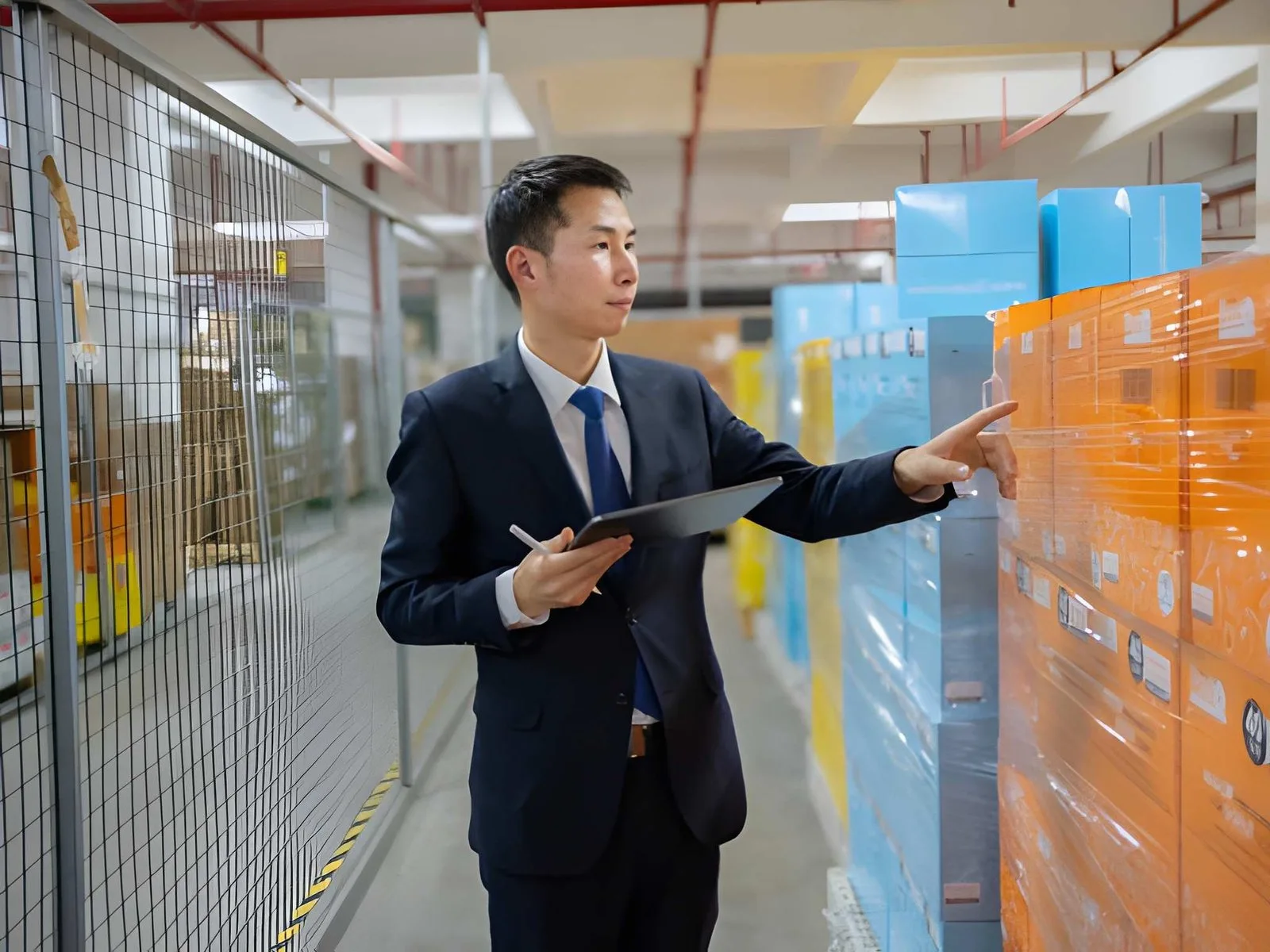
- Conduct regular on-site visits during production
- Perform mid-production inspections to catch issues early
- Verify raw material quality before manufacturing begins
- Conduct pre-shipment inspections using standardized protocols
- Provide photographic evidence and detailed reports
Sourcing Nova emphasizes that a good agent optimizes the entire supply chain, looking at everything from raw material costs to final delivery. They’re not just finding a factory; they’re engineering a system.
Logistics Coordination
Shipping internationally is its own special circle of hell. Your global sourcing agent navigates freight forwarding, customs documentation, export declarations, and the thousand other details that can delay shipments for weeks.
During my years in freight forwarding, I saw countless shipments delayed because someone forgot a single document. A good agent prevents these headaches.
Product Compliance and Regulatory Navigation
Different countries have different rules. Your product sourcing agent ensures your products comply with US regulations before they leave the factory. This includes safety certifications, material restrictions, labeling requirements, and environmental standards. Discovering non-compliance after your shipment arrives at Long Beach is an expensive education you don’t want.
Product Sourcing Agent vs Trading Company: What’s the Difference?
This confusion trips up more new importers than almost anything else. The Brand New MD blog provides an excellent breakdown of the differences:
A product sourcing agent works for you. They’re your representative, scouting factories, negotiating deals, and protecting your interests. You pay them directly through fees or commissions, and their loyalty is (supposed to be) to you.
A trading company works for itself. They buy products from factories, mark them up, and sell them to you. You’re their customer, but you’re not their only priority. They might represent dozens of factories simultaneously, and their “recommendations” might simply reflect whoever’s paying the highest commission that month.
Comparison Table: Sourcing Agent vs Trading Company
Factor | Product Sourcing Agent | Trading Company |
Who they represent | You, the buyer | Themselves |
Transparency | Should share factory details | Often keeps factories hidden |
Pricing | Fee or transparent commission | Markup on products |
Customization | Works with factories on your specs | Sells existing products |
Quality control | Conducted on your behalf | Their own process may be hidden |
Minimum orders | Often flexible | May have higher MOQs |
Which Option Is Right for Your Business?
The decision between them comes down to your priorities. If you’re developing custom products and want maximum control, a product sourcing agent is your answer. If you’re buying existing products and simplicity matters more than transparency, a trading company might suffice.
For Amazon sellers needing private label products, a sourcing agent for Amazon sellers who understands FBA requirements and packaging specifications is typically the better choice. For established businesses buying commodity items in huge volumes, a trading company’s efficiency might outweigh the transparency trade-off.
How to Find a Product Sourcing Agent for Amazon Sellers
Amazon FBA creates unique requirements that a general product sourcing agent might not understand.
FBA Compliance Expertise
A sourcing agent for Amazon sellers must ensure:
- Products meet Amazon’s restricted products guidelines
- Packaging complies with FBA prep requirements
- Barcodes are correctly formatted and placed
- Case packs are sized appropriately for Amazon’s receiving process
- Products pass Amazon’s potential hazmat review
Speed and Agility
Amazon sellers need to move fast. A sourcing agent for Amazon sellers should understand the platform’s rapid product cycles and be able to source samples within days, not weeks. They should also understand seasonal demand patterns and help you time production accordingly.
Private Label Expertise
Most Amazon sellers are building brands, not just reselling commodities. A sourcing agent for Amazon sellers should have experience with:
- Custom packaging design and production
- Private label labeling requirements
- Product bundling and kitting
- Small batch production for testing
How Much Does a Product Sourcing Agent Cost?
How you pay your product sourcing agent matters enormously. Based on my experience negotiating hundreds of agent agreements, there are four primary models:
Upfront Flat Fee
You pay a fixed amount for the agent to find manufacturers and negotiate contracts. The agent typically steps back after your first order is placed.
Pros: One-time cost, less incentive for hidden commissions
Cons: Large upfront payment, still possible for the agent to have side deals
Hourly Rate
You pay for time spent on your project, with the agent potentially remaining involved long-term.
Pros: Transparent, pay only for work performed
Cons: Can add up quickly, requires trust in time reporting
Percentage Commission
You pay a percentage (typically 5-10%) on top of factory prices. The agent remains involved to protect their ongoing commission.
Pros: No upfront cost, agent stays engaged
Cons: Massive conflict of interest potential. I’ve seen agents hide commissions of 30-300%. Yes, you read that right.
Fixed Product Price
The agent becomes the seller, quoting you a fixed price for finished goods. They handle everything and take responsibility for quality.
Pros: Simplest arrangement, clear accountability
Cons: You pay more than direct sourcing, less transparency
The safest approach? Transparency. A trustworthy product sourcing agent will clearly explain their compensation and provide documentation. If they get defensive or vague, that’s your exit cue.
Red Flags in Agent Compensation
Watch for agents who:
- Refuse to disclose their commission structure
- Claim “the factory pays me, so it costs you nothing”
- Get angry when you ask for detailed invoices
- Can’t explain line items in supplier quotes
Why US Companies Need Professional Sourcing Support
Look, I get it. You’re thinking, “Can’t I just do this myself? I’m resourceful. I’ve got Google Translate. How hard can it be?”
Famous last words.
The Harris Sliwoski China Law Blog shares horror stories that’ll make your blood run cold. One American company paid a Vietnamese “sourcing consultant” a couple of million dollars to manufacture toys. The toys never materialized. When they hired lawyers, they discovered their contract was with a shell company operating out of a $600-per-month Hong Kong office. The actual factory had never heard of them.
Another cautionary tale: A European company received defective shoes from a supplier recommended by a China sourcing agent for US brands. They refused to pay the remaining $800,000. The agent sued them in China and won, because the agent’s contract specified they got paid for brokering the deal regardless of product quality. The client was legally on the hook for defective goods because they never had direct contact with the factory.
These aren’t edge cases. They’re Wednesday afternoon in the world of unsupervised international sourcing.
The Core Benefits of Professional Sourcing
A qualified sourcing agent for USA companies prevents these disasters through:
Supplier Verification That Actually Works.
Anyone can create a professional website. Anyone can post impressive factory photos. A product sourcing agent does what Google Earth can’t: they walk through the facility, count the machines, verify the workforce, and check whether those ISO certifications are real or purchased from a shady website for $500.
Price Negotiation Without the Markup Mystery
Here’s something suppliers won’t tell you: they have different price lists for different buyers. Walk in speaking English with a confused expression? You get the “international buyer premium” price. Walk in with a local manufacturing sourcing agent who knows the market rate for raw materials? You get the real price.
Quality Control That Actually Controls Quality
A third-party inspection company charging by the hour might catch defects. A dedicated product sourcing agent prevents them from happening in the first place. They monitor production throughout the cycle, not just at the end when it’s too late to fix problems without starting over.
How to Find a China Sourcing Agent for US Brands
If you’re manufacturing in China specifically, you need to understand the unique dynamics of working with a China sourcing agent for US brands.
The Geography Factor
China’s manufacturing is highly regionalized. Electronics cluster in Shenzhen. Textiles are concentrated in Zhejiang. Furniture dominates in Guangdong. A China sourcing agent located far from your product’s industrial cluster adds shipping complexity and reduces their ability to conduct effective quality control.
Sourcing Nova recommends finding agents within two hours of your product’s primary manufacturing region. Anything further, and you’re paying for coordination rather than true oversight.
Language and Cultural Bridge
A good China sourcing agent doesn’t just translate words; they translate intent. They understand that a Chinese supplier saying “maybe difficult” actually means “impossible, but I don’t want to lose face by saying no.” They navigate the guanxi (relationship) system that underpins Chinese business without getting trapped by it.
Factory Relationships
The best China sourcing agent for US brands maintains long-term relationships with factories, which means better pricing and priority treatment when capacity is tight. During peak seasons, factories prioritize customers introduced by trusted agents over random direct inquiries.
Red Flags When Hiring a Product Sourcing Agent
Through 12 years in this industry and countless conversations with importers who’ve been burned, I’ve compiled the definitive list of warning signs:
- The agent refuses to share factory details. If you can’t verify where your products are made, you’re not in control of your supply chain.
- They’re located far from your product’s manufacturing cluster. An agent in Shanghai sourcing textiles from Guangdong is adding complexity without adding value.
- They have no physical infrastructure. No warehouse, no office, just a website and a phone number? They’re a freelancer at best, a scammer at worst.
- They promise the impossible. Can’t get that price anywhere else? Can’t meet that deadline? There’s probably a reason.
- They’re vague about their commission structure. “Don’t worry, the factory pays me” is not an acceptable answer. The factory’s payment to your agent comes out of your pocket, one way or another.
- They discourage factory visits. A legitimate agent welcomes visits. Anything else is suspicious.
Case Study: How One US Brand Found Its Perfect Product Sourcing Agent
Let me share a real example (details changed for privacy) of how the right product sourcing agent transformed a business.
The Before Picture
Midwest Fitness, a small gym equipment company in Ohio, was buying resistance bands from a trading company on Alibaba. They paid $4.50 per unit, waited 60 days for delivery, and regularly received batches with inconsistent resistance and tearing issues. Returns were eating 15% of their revenue.
The owner, Sarah, reached out to me after finding my LinkedIn profile. She asked me the exact question this guide answers: how to find a product sourcing agent who could fix her mess.
The Agent Search and Selection
We followed the process I’ve outlined above:
- Defined requirements (fitness equipment, Southern China preferred)
- Searched referrals and vetted three candidates
- Interviewed each with the questions listed earlier
- Verified credentials and contacted references
- Started with a small test order of 500 units
The winning agent was based in Fujian province, just 45 minutes from the main fitness equipment cluster. She’d been in business for 8 years and had three US clients willing to provide references.
The Results
Within six months of hiring this product sourcing agent, Midwest Fitness:
- Cut product costs from $4.50 to $2.80 per unit (38% savings)
- Reduced delivery time from 60 to 35 days
- Eliminated quality issues through agent-conducted inspections
- Launched two new private-label products developed with the factory
- Increased profit margins by 22%
Sarah told me recently, “I thought I was saving money by going directly to Alibaba. Turns out, I was paying the stupid tax for three years. Learning how to find a product sourcing agent was the best business decision I’ve ever made.”
The Future of Product Sourcing: AI and Human Partnership
Before you think I’m suggesting you need a human agent forever, let’s talk about where technology is heading. The Art of Procurement podcast recently explored how AI is finally cracking the code on global sourcing agent functions.
The Rise of Virtual Sourcing
Anthony Sardain, CEO of Cavela, describes AI-enabled sourcing as “a virtual product sourcing agent” that handles everything from product specifications to supplier vetting to quality assurance. This isn’t just automation; it’s a fundamental shift in how sourcing works as a business model.
For years, sourcing resisted digitization because it’s inherently messy, full of back-and-forth over email, WhatsApp, and WeChat, with product specs that involve images, videos, and descriptive text rather than neat spreadsheet cells. Modern language models can finally handle this complexity.
What AI Means for Small US Brands
Large enterprises have procurement teams to throw at sourcing problems. Small businesses don’t. AI levels this playing field dramatically. Soon, a three-person operation in Austin will have product sourcing services comparable to a multinational corporation.
Where Humans Still Win
But here’s the catch: AI handles data, not relationships. It processes specifications, not trust. It optimizes logistics, not the nuanced understanding of which factory owner actually delivers on promises versus which one talks a good game.
The winning strategy? Use AI for what it’s good at—initial supplier identification, spec optimization, compliance checking, and use human sourcing agents for USA companies for what they’re good at, relationship building, quality verification, and navigating the cultural complexities that algorithms can’t decode.
Frequently Asked Questions About Product Sourcing Agents
Do I need a product sourcing agent for my first import order?
Based on 12 years of experience, I strongly recommend using a qualified product sourcing agent for your first international order. I’ve seen too many businesses lose $10,000, $50,000, even $200,000 on their first shipment because they didn’t know what they didn’t know. A good agent costs a fraction of what one mistake will cost you.
Are sourcing agents worth it for small businesses?
Yes, especially for small businesses. Large companies have procurement teams. Small businesses don’t. A sourcing agent for USA companies levels the playing field, giving you access to the same vetted suppliers and negotiation leverage as companies ten times your size. The ROI is typically 5-10x within the first year.
How much does a sourcing agent cost for USA-based clients?
Most reputable product sourcing agents charge either 5-10% commission on order values or hourly rates between $50-150, depending on complexity and location. Fixed project fees range from $2,000-10,000 for comprehensive sourcing services. The key is transparency you should know exactly what you’re paying and why.
How do I verify a product sourcing agent's credentials?
Request business licenses, conduct video calls with their team, ask for factory visit photos with timestamps, contact three current clients, and verify their physical address independently. A legitimate product sourcing agent welcomes this scrutiny. If they resist, walk away.
Can a product sourcing agent help with product customization?
Absolutely. This is where agents provide maximum value, connecting you with factories capable of meeting your specific requirements and managing the development process from prototype to production. A good manufacturing sourcing agent will handle everything from material selection to packaging design.
What's the difference between a sourcing agent and a freight forwarder?
A sourcing agent handles the entire procurement process, including supplier selection, negotiation, and quality control. A freight forwarder only manages shipping logistics. Many agents coordinate with freight forwarders but don’t replace them. Think of it as the agent builds the product; the forwarder moves it.
Do I need a China sourcing agent specifically?
It depends on where you’re manufacturing. A specialized China sourcing agent for US brands offers deeper local knowledge of Chinese manufacturing regions, business practices, and regulatory requirements. If you’re sourcing exclusively from China, this specialization matters. If you’re sourcing from multiple countries, a global sourcing agent with regional specialists might serve you better.
Can sourcing agents help Amazon sellers with FBA requirements?
Yes, many sourcing agents for Amazon sellers now offer services specifically for Amazon, including barcode labeling, poly bagging, FBA-compliant packaging, and ensuring products meet Amazon’s stringent inbound requirements. Ask potential agents about their Amazon experience specifically.
How long does it take to find a good sourcing agent?
A thorough search and vetting process usually takes 4-8 weeks. Rushing this step is the most common mistake new importers make. Remember: you’re choosing a long-term partner for your supply chain. Taking two months to find the right product sourcing agent is better than spending two years fixing problems with the wrong one.
What happens if my sourcing agent picks a bad factory?
A professional product sourcing agent should have clear protocols for this scenario. They should conduct inspections throughout production, catch issues early, and have contingency plans. If problems still occur, your agreement should specify how they’ll help resolve them, whether through negotiation, refunds, or connecting you with alternative factories.
Should I use a US-based or overseas-based sourcing agent?
Each has advantages. US-based agents offer easier communication and legal recourse but higher costs. Overseas-based agents offer lower costs and closer factory proximity but may have communication challenges. The best sourcing agent for USA companies often combines both, a US-based principal with overseas staff on the ground.
Conclusion: Your Next Move with Starlight Sourcing
Here’s the truth about global sourcing: it’s simultaneously easier than ever and more dangerous than ever. Easier because you can connect with potential suppliers in seconds. More dangerous because those connections often lead to expensive mistakes.
A professional sourcing agent for USA companies is your insurance policy against those mistakes. They’re the difference between guessing and knowing, between hoping and verifying, between lying awake at 2:00 AM wondering if your shipment will arrive on time and sleeping peacefully because someone trustworthy is watching your back.
At Starlight Sourcing, I’ve personally guided hundreds of US businesses through this exact journey. I’ve seen the disasters that happen when companies go it alone, and I’ve celebrated the successes that come from strategic partnerships with qualified product sourcing agents.
Whether you need a China sourcing agent, a manufacturing sourcing agent for domestic production, or a global sourcing agent to manage international supply chains, the principles remain the same: verify everything, prioritize transparency, and build relationships that last.
Your next step is simple: define what you need, research potential partners using the framework above, and start the conversation. The right product sourcing agent won’t just save you money; they’ll save your sanity.
And honestly? After my Kevin experience, I’d pay almost anything for sanity.